


What feels uncomfortable may be the nervous system releasing what it no longer needs
Going to therapy often means choosing honesty over comfort, curiosity over avoidance, and healing over staying familiar with pain. It takes bravery to sit with feelings you’ve spent years managing, minimizing, or carrying alone. It takes courage to say, “Something isn’t working, and I’m willing to look at it.”

Healing Through Connection
In many spaces—both personal and professional—healing is often implied to mean arriving at a specific endpoint: a version of ourselves that is calm, regulated, productive, and socially acceptable. While these qualities can be meaningful, they don’t tell the whole story. Conformity to a single standard of wellness does not equate to wholeness. In fact, it can quietly reinforce the belief that parts of us must be fixed, hidden, or overcome in order to belong.

Why Structure Matters in Recovery
One of the most practical—and often underestimated—tools in addiction recovery is structure. As someone with lived experience, I can say this plainly: when addiction was active in my life, my days revolved around impulses, cravings, and reacting to how I felt in the moment. In recovery, learning how to intentionally structure my day became a turning point. Not a rigid, overwhelming schedule—but a supportive framework that reduced chaos and helped my nervous system feel safe.
Healing Happens in Relationship
One of the principles I return to again and again in my work with individuals and couples is this: healing doesn’t begin with insight — it begins with regulation, and it deepens in connection.
Integrity as in “Really Sitting With It”
There’s a quiet honesty in the image of two mushrooms sitting at a small table, tea steaming between them. One asks, “Why don’t the humans use telepathy?” The other answers, “They have a lot to hide from each other. ” It’s whimsical on the surface, but uncomfortably precise underneath.
Integrity begins exactly where that discomfort lives.

Welcoming What Is Here for You
There are moments in life, especially in emotional healing, when acceptance feels impossible. We notice resistance rise up, fear of change tighten its grip, or a strong desire to push away what is uncomfortable. In these moments, we often believe acceptance means liking or approving of what is happening. It does not. Acceptance is not agreement. It is allowing what is already present.. It is being with the reality of what is here and now. When we are in resistance to this, we suffer.

When More Stops Working: Rethinking Progress After 40
Lasting results don’t come from doing more. They come from doing the right things consistently.

When the Obstacle Becomes the Way
Not all pain is equal. Some discomfort is necessary for growth, such as honesty, accountability, grief, and learning to tolerate emotional intensity. Other pain is unnecessary, including shame, secrecy, and self-punishment.

You’re Not Failing at Healing
People can be doing everything they know how to do — and still feel anxious, overwhelmed, or stuck. That doesn’t mean they’re doing it wrong. I see this a lot in my work.

The Common Humanity of Mental Health Struggles
One of the most persistent myths about mental health is the belief that struggling mentally means something is “wrong” with us. That anxiety, burnout, grief, or overwhelm are personal failures rather than deeply human responses to living in a complex world. In my work as an individual and couples therapist, I see how this belief intensifies suffering, not because people are broken, but because they feel alone in their pain.

The Power of Writing Three Accomplishments a Day
Writing down three accomplishments every day is a simple but powerful tool!
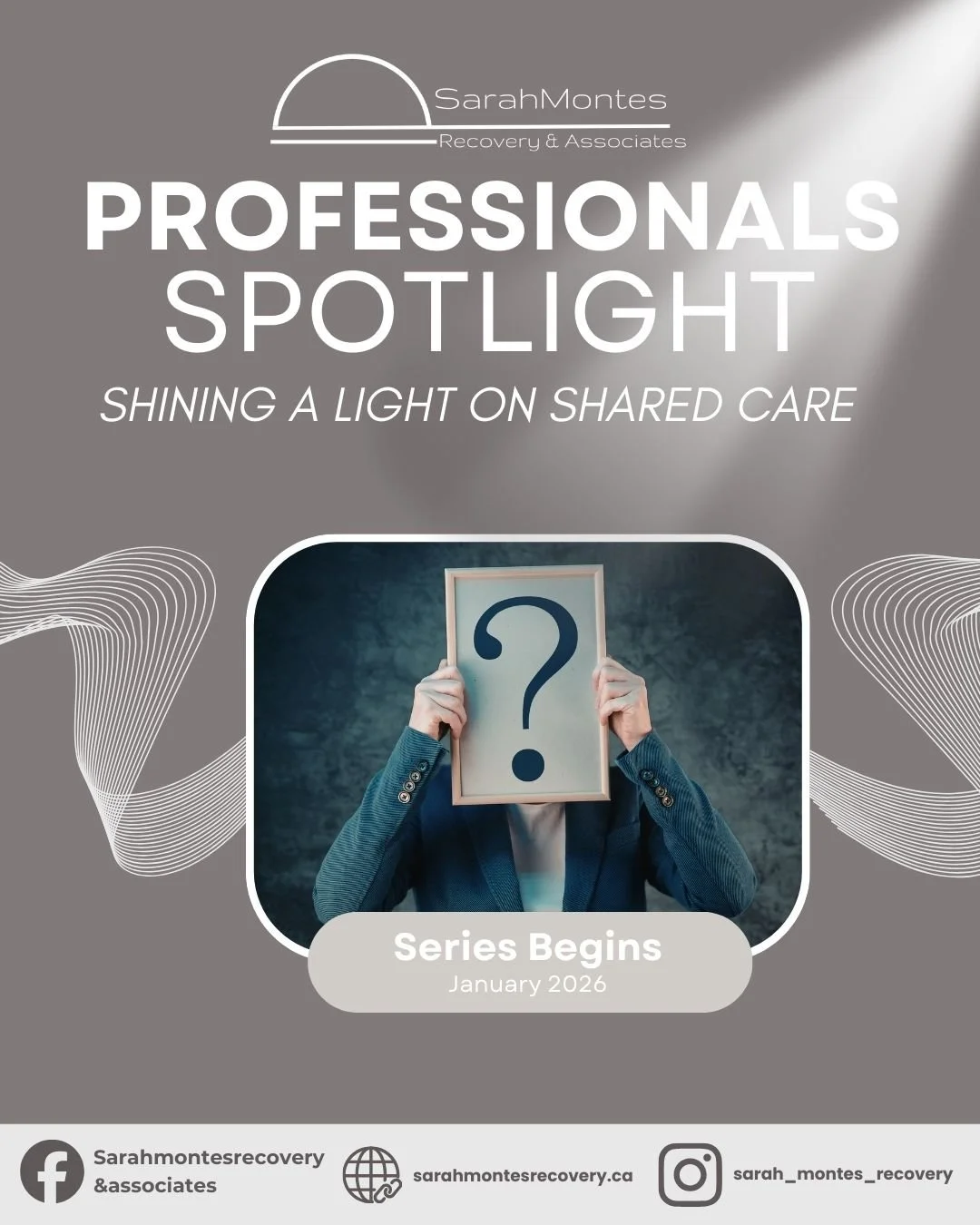
Professional Spotlight |- Shining a Light on Shared Care
Professional Spotlight - Shining a Light on Shared Care
Each week, we’ll be featuring trusted professionals across the field of care—counsellors, coaches, nutritionists, addiction specialists, social workers, and psychotherapists—sharing practical insights, reflections, and tools from their areas of expertise.