Healing Happens in Relationship

One of the principles I return to again and again in my work with individuals and couples is this: healing doesn’t begin with insight — it begins with regulation, and it deepens in connection.

Many people arrive in counselling believing they need better strategies or clearer answers. Those things matter, but lasting change often starts when the nervous system feels safe enough to slow down. As regulation grows, so does emotional intelligence — the ability to notice emotions, understand what they’re communicating, and respond with intention rather than react from survival.

A question I often offer is simple:

“What does your nervous system need right now?”

That pause creates space — for breath, grounding, and choice. From there, emotions are explored not as problems to fix, but as signals carrying important information about needs, boundaries, and lived experience.

I also deeply believe that healing happens in relationship. Much of our pain develops in connection, and it’s often through connection that repair becomes possible. The therapeutic relationship itself can become a steady, compassionate space where emotions are met without judgment and new experiences of safety can take root.

In that way, the therapeutic alliance becomes the channel through which healing enters — not through advice, but through being seen, regulated-with, and understood.

At its core, this work is about helping people come back into relationship with themselves and others, with more clarity, agency, and self-trust.
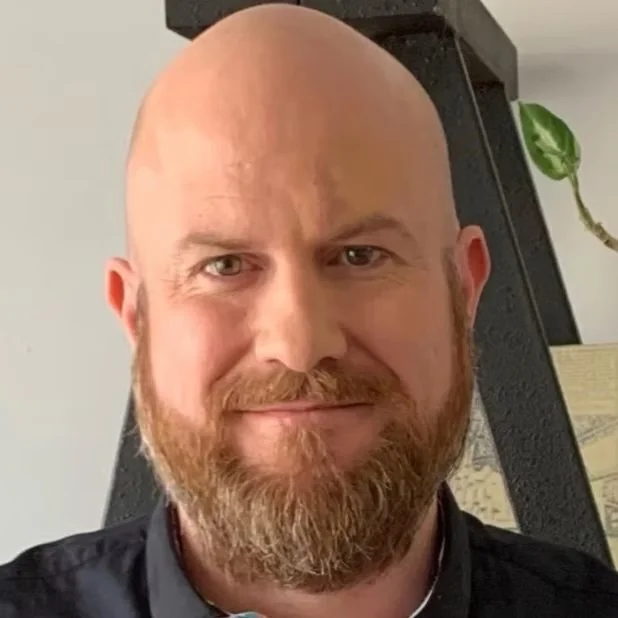
Steve Didham, MSW, RSW

Steve Didham is a Registered Social Worker (MSW, RSW) with over 25 years of experience supporting people through trauma, transition, and meaningful change.

“ At the heart of my private practice, Phoenix Consulting and Counselling, is a commitment to creating a safe, relational space where people can slow down, speak their truth, and begin the deeper work of healing. I bring both professional and lived experience of trauma and recovery—shaping a practice grounded in empathy, accountability, humility, and hope.

My counselling work supports individuals—particularly men—navigating trauma, loss, identity, emotional regulation, anxiety, depression, grief, relationship challenges, burnout, and moral distress. My approach is trauma-informed, reflexive, and equity-responsive.

Alongside my clinical work, I also support leaders and organizations through consulting and executive coaching—helping them move toward more human-centered, trauma-responsive, and values-aligned ways of working, including aspects of heart-centered leadership and culture repair. This macro-level work continually informs my one-to-one practice, allowing me to bridge personal healing with systems change.

The Phoenix symbolizes transformation, renewal, and the courage to rise again. The heart within the logo reflects my belief that healing happens when cognitive and emotional intelligence come together—through connection.

If you’re ready to slow down, do the deeper work, and move toward a more grounded and authentic way of living or leading, I’d be honoured to connect”.

https://www.phoenixcc.ca
Next
Next

Integrity as in “Really Sitting With It”